

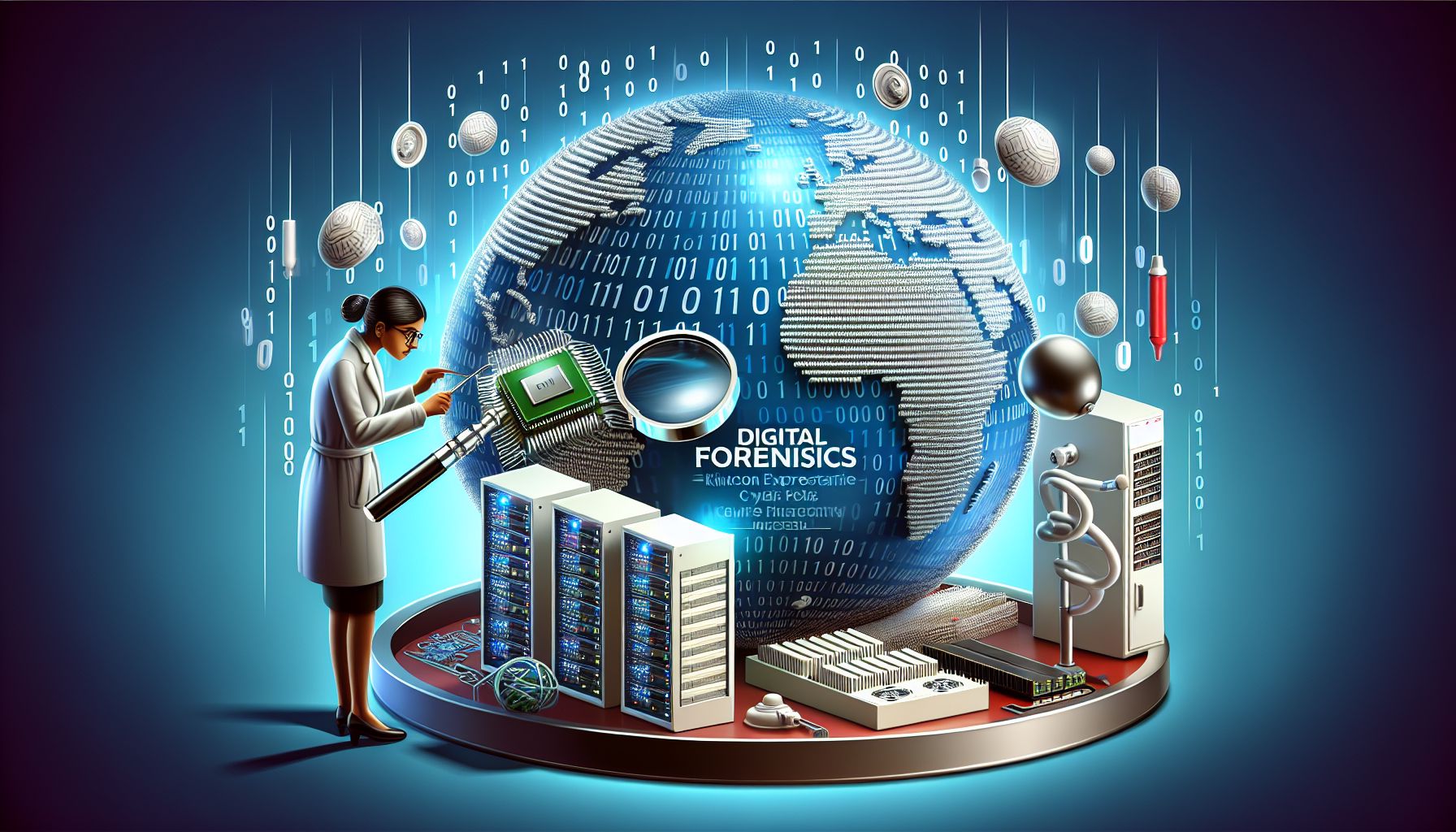
Hey there tech friends! So, today we’re going to dive deep into the fascinating world of digital forensics. This isn’t something you’d find in an episode of CSI (well, not completely) but it’s very much a crucial part of our information-centric world.
So What’s Digital Forensics Really About?
Digital forensics, also known as computer forensics, involves the use of scientific investigative techniques to detect, collect, protect, and analyze data from digital devices. It’s a kind of cyber-sleuthing that can uncover all kinds of fascinating, critical, and sometimes, disturbing pieces of information.
The fundamentals lie in the systematic examination of digital evidence. It’s a complex yet satisfying process that involves identifying, preserving, extracting, interpreting, and documenting the digital evidence. The ultimate aim? To provide a robust audit trail that could stand up in any court of law.
Where is Digital Forensics Applied?
When we talk about digital forensics, we’re referring to a wide range of applications. You’ll see this in action in law enforcement, for online fraud investigations, cybercrime detections, and even in the corporate world for intellectual property disputes. Not to forget, it’s a lifesaver in case of data leakage or IT security breaches.
At the individual level, digital forensics technicians might be called upon to retrieve data from personal computers, smartphones, and other digital devices – a true game-changer in personal or family law cases.
Walkthrough of a Digital Forensic Investigation
While every case is unique and may require bespoke approaches, assignments in digital forensics generally follow a standard methodology. As a tech-savvy enthusiast, you’ll enjoy understanding the underpinnings.
- Identification: This is the first step where potential sources of evidence are sought out.
- Preservation: In this phase, the evidence is carefully preserved for further analysis. Special care is taken to stop any potential data alteration or tampering.
- Extraction: This is the techie bit where data or information is retrieved from the device or network in question.
- Interpretation: Simply extracting data isn’t enough – it needs to be interpreted in the context of the case.
- Documentation: This involves documentation of the evidence in a formal report for legal proceedings.
Challenges in the Field
Digital forensics is not a walk in the park, and it contends with its share of challenges too. Rise in encryption, volume of data, cloud storage, real-time communication, and transient data – all these aspects make the preservation and retrieval of data challenging. Privacy laws and other legal restrictions also add up to the complexity.
Final Tech Bits!
The world of digital forensics is an alluring one for tech enthusiasts, but let’s not forget it’s not all about the charm. This field demands a fine balance of patience, absolute accuracy, myriad technical skills, and a solid understanding of law and order.
Those who work in digital forensics are a little like the superheroes of the digital world. They delve among the 1s and 0s, finding clues and making sense of seemingly indecipherable data, bringing culpable cyber-attackers, crooked fraudsters, or even sneaky corporate minds to heel.
If you have the tech skills and fancy a fascinating and critical part to play in the contemporary digital world, digital forensics could be an excellent path for you. Just remember – it’s about as far as you can get from a 9-to-5 desk job, but that’s part of the thrill, isn’t it?
In digital forensics, as in life – every bit counts!