

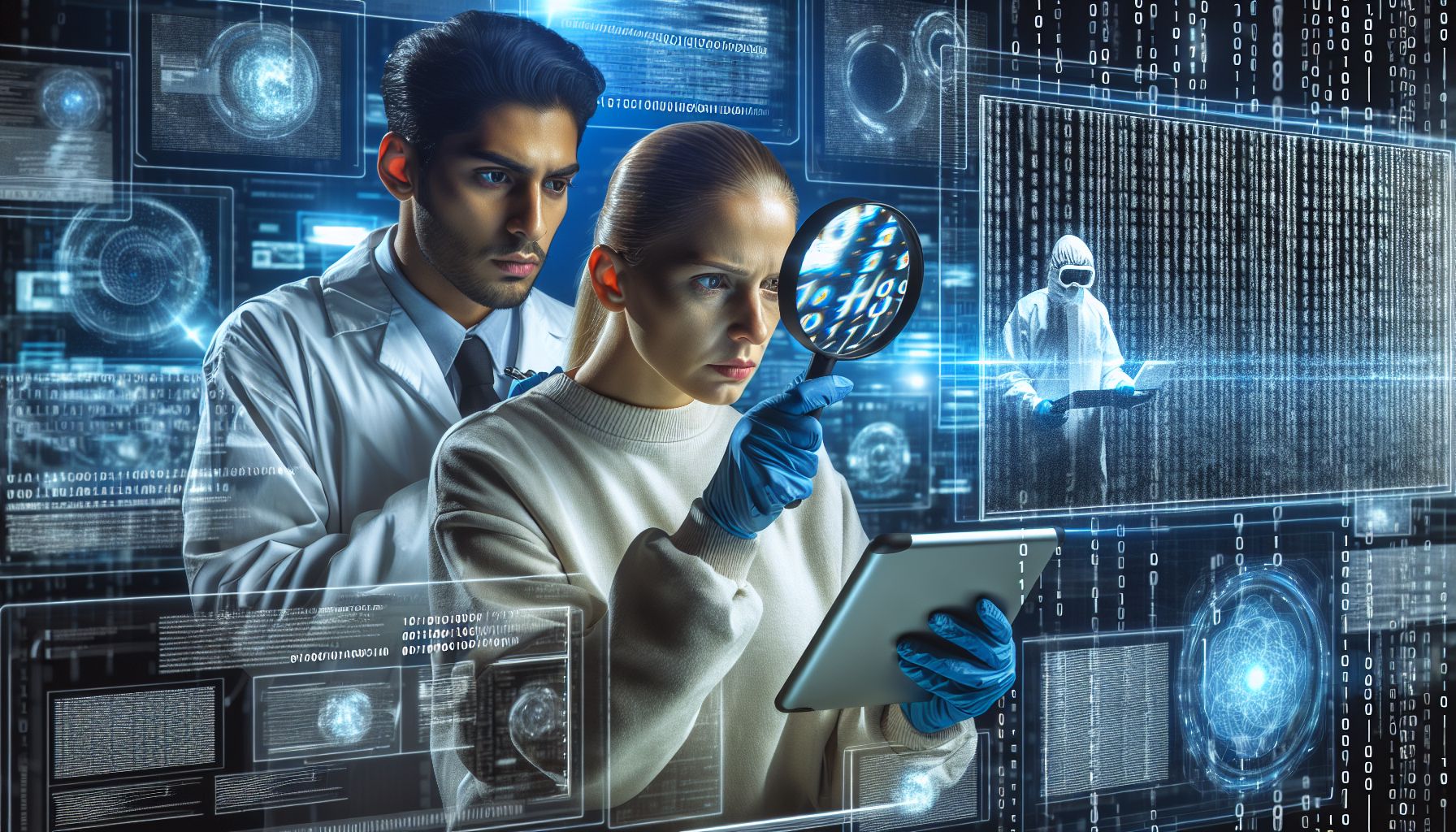
Hey there tech enthusiasts! Today we’re about to embark on a fascinating journey into the fascinating world of digital forensics. Picture this: instead of a traditional sherlock-style detective casing around a crime scene, this time we have techno-gurus digging through heaps of data, codes, and digital files. It’s all about disclosing the unseen, cracking mysteries and decoding the twists of the digital universe. Intrigued yet? Let’s get started right away!
What is Digital Forensics?
In the simplest terms, digital forensics is the practice of recovering and analyzing information stored on digital devices to investigate or prevent digital crimes. It encompasses a wide array of activities, from decrypting hidden data to recreating multiple scenarios from different data points. It’s tech’s equivalent to crime scene investigation, with its own share of thrills and secrets.
How did it all Start? (A Mini Throwback)
Digital Forensics had its humble start around the 1980s, when the first computer crimes began to appear. Since then, it has come a long, long way, thanks to the technology boom and evolution of cyber crimes. It happens to be a surprisingly young field, but what it lacks in age, it more than makes up in significance. Today, this field is absolutely indispensable in solving cyber crimes and legal disputes involving digital evidence.
The Nuts and Bolts of Digital Forensics
Now let’s dive into the core of digital forensics – how it actually works. There are a few standard steps which we can run through to get a feel of what it entails:
- Identification: First and foremost is the identification of possible sources of digital evidence. It’s the investigator’s job to spot these, which could range from a huge server to a tiny USB stick.
- Preservation: After the sources have been identified, the next crucial step is preserving the evidence. This ensures the data doesn’t get lost or tampered with, maintaining its integrity for further analysis.
- Analysis: Rest assured we’re doing more than just collecting data here. The data needs to be analyzed to uncover any relevant information.
- Documentation: Every potential piece of evidence and any steps taken must be documented thoroughly. This helps maintain a chain of custody and also provides the basis for legal proceedings, if any.
- Reporting: The end result of all the digging and decoding is a comprehensive report, clearing out the complexities and focusing on the key evidences and conclusions.
The Challenges and Pitfalls
Like every other practice, digital forensics isn’t without its own set of hurdles. A big one is the growing volume and complexity of digital data, making the process of sifting through it increasingly tedious and time-consuming. Rapid technological changes are another challenge as forensic experts have to constantly update themselves. And let’s not forget the fatal setback a simple error can cause – from accidental data corruption to unintentional breach of privacy. The stakes are high in the digital forensics world!
The Future of Digital Forensics
As we stride further into the digital era, the role of a cyber sleuth is evolving and expanding. We now have a sprouting of specialized branches such as network forensics, malware forensics, cloud forensics and the list goes on. And let’s not forget about AI, which is set to revolutionize the field, making investigations quicker and more accurate.
But all the advancements come with a caveat. The bad guys are also getting tech-saavier, leading to more complex and sophisticated digital crimes. It’s safe to say that the field of digital forensics will continue to have its hands full for a long time to come.
Conclusion
It’s been quite a journey as we shuttled through time, peeked into technological advances and grappled with the pros and cons of the discipline. Digital forensics, complex as it may seem, is here to stay and is only expected to grow in significance, thanks to our increasing dependence on digital technology.
So, here’s to a whole new kind of detective story, one that leaves the crime scenes behind and embraces the silicon-coated, byte-coded world of unseen mysteries. Till our next exploration of the tech universe, happy decoding!