

Hey there folks! Say you’ve got a fascination with solving puzzles, a penchant for technology, and an inexhaustible curiosity about how information is stored, transferred, and, occasionally, misused. If this describes you, then the dynamic world of digital forensics might just be your perfect playground. Today we’ll be taking a virtual journey through this critical, and constantly morphing, field.
Introduction: Defining Digital Forensics
First things first, what exactly is digital forensics? It isn’t a term you’ll hear at your average dinner party (unless you hang out with a particularly techy crowd). Digital forensics is a branch of forensic science focusing on the recovery and investigation of material found in digital devices, often in relation to computer crime. It involves the application of scientifically approved methods to gather, store and analyse electronic data for legal evidence.
The Ultra-Modern Sherlock Holmes
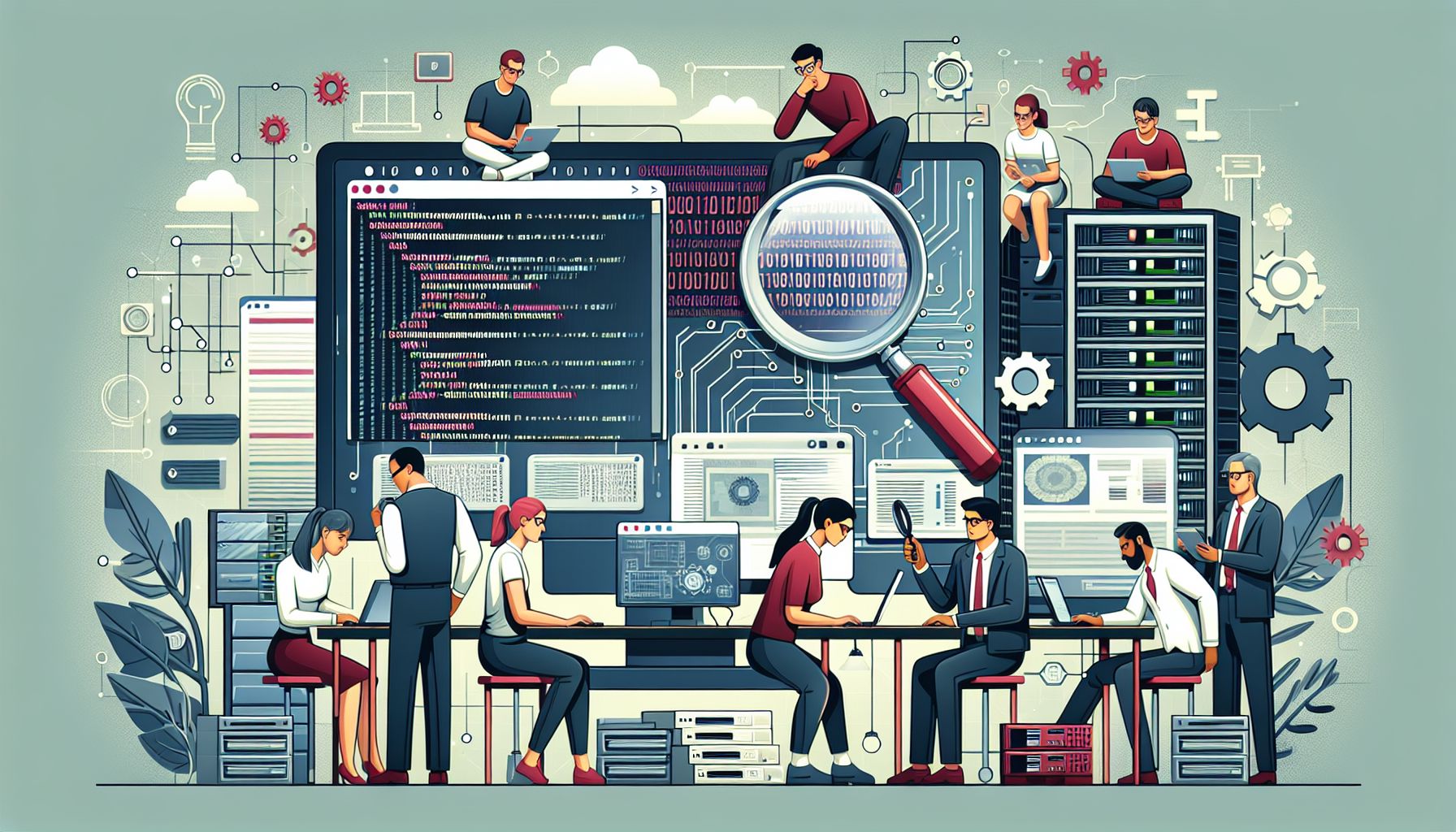
A digital forensics expert, much like Sherlock Holmes with his magnifying glass, uses an array of specific tools and techniques to sift through digital devices. Except, these professionals look closely at digital fingerprints left behind in smartphones, computers or even a company’s servers to reveal the who, what, when, where, and why of digital crimes.
Digital forensics is subdivided into several categories, including:
-
Computer Forensics: Focuses on computer data from hard drives and related storage devices.
-
Mobile Forensics: Specializes in recovery of SMS, calls, photos and other data from mobile devices.
-
Network Forensics: Deals with traffic monitoring and malicious network activities.
-
Database Forensics: Centred on databases and their related metadata.
-
Forensic Data Analysis: Involves the studying big data to discover unusual patterns, events or compliance.
Going Through the Stages
Regardless of the specific discipline, most digital forensics works typically pass through four key stages:
- Preservation: This involves making an identical copy of the data to keep the original data unaffected during analysis.
- Investigation: This is the actual process of rummaging through and investigating digital data to find evidence.
- Analysis: This involves examining the findings from the investigation stage to understand the nature and implications.
- Report: This is the final stage where the evidence is presented in a transparent, understandable, and court-approved manner.
Challenges and The Way Forward
Yet, digital forensics isn’t without its challenges. With the increased use of encryption, Cloud storage, and rapid technological advancements, the landscape of data is continually morphing. Therefore, digital forensics professionals need to stay up-to-date and adaptable. Moreover, there’s a strong need for international cooperation in the cyberspace, because boundaries drawn by geography are universally irrelevant in the digital realm.
As we continue to live more of our lives online, the importance of digital forensics only grows stronger. From criminal investigations to corporate security, the digital fingerprints we leave behind narrate a story. That story may be as benign as the moment you made your first online purchase or as serious as when a phishing attack targets a company’s financial information. Either way, digital forensics experts are the digital detectives that decipher these narratives, making them an indispensable part of our modern world.
Wrapping Up
The realm of digital forensics, despite its scientific rigour and meticulous methods, continues to be an exciting and ever-evolving field. As technology advances, so will the methodologies and practices of deciphering its many mysteries. Thus, for anyone with an analytical mind, a penchant for problem-solving, and a deep interest in technology, digital forensics can be a fascinating career path.
So, here’s to the digital Sherlocks out there, demystifying the tangled web of cyberspace, one byte at a time!